November 4, 2026
Deciding when to replace a roof is not always as simple as spotting a missing shingle. Some problems need only a repair, while others suggest the roof is near the end of its useful life. Consider replacement before repeated leaks or extensive damage limit your options. By looking at the roof's age, condition, and repair history, you can make a decision that fits your home and your budget.
Consider Your Roof's Age and Roofing Material
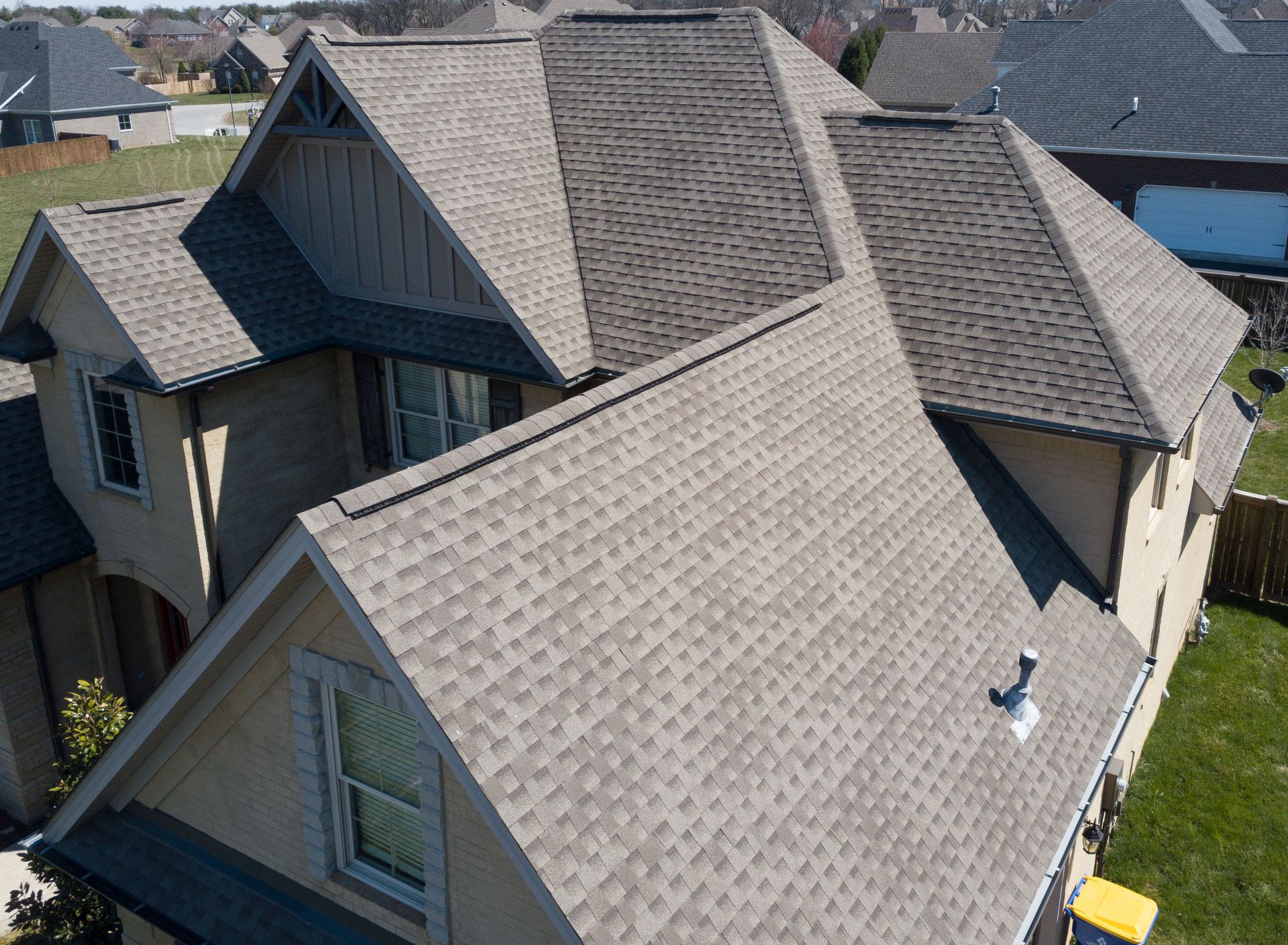
Age matters, but it should not determine replacement on its own. Asphalt shingles, metal panels, and tile systems have different expected lifespans, and even roofs made from the same material can age at different rates. Weather, installation quality, and maintenance influence roof lifespan.
If you recently purchased your home, check inspection records, warranty paperwork, or previous permits to learn when the roof was installed. An older roof with intact materials and no recurring problems may still have useful life remaining. A younger roof with installation problems or storm damage may need attention sooner.
Instead of judging by age alone, a roofing contractor can examine the materials and surrounding components. The findings can show whether maintenance, targeted repairs, or a replacement plan makes the most sense.
Look for Widespread Signs of Surface Damage
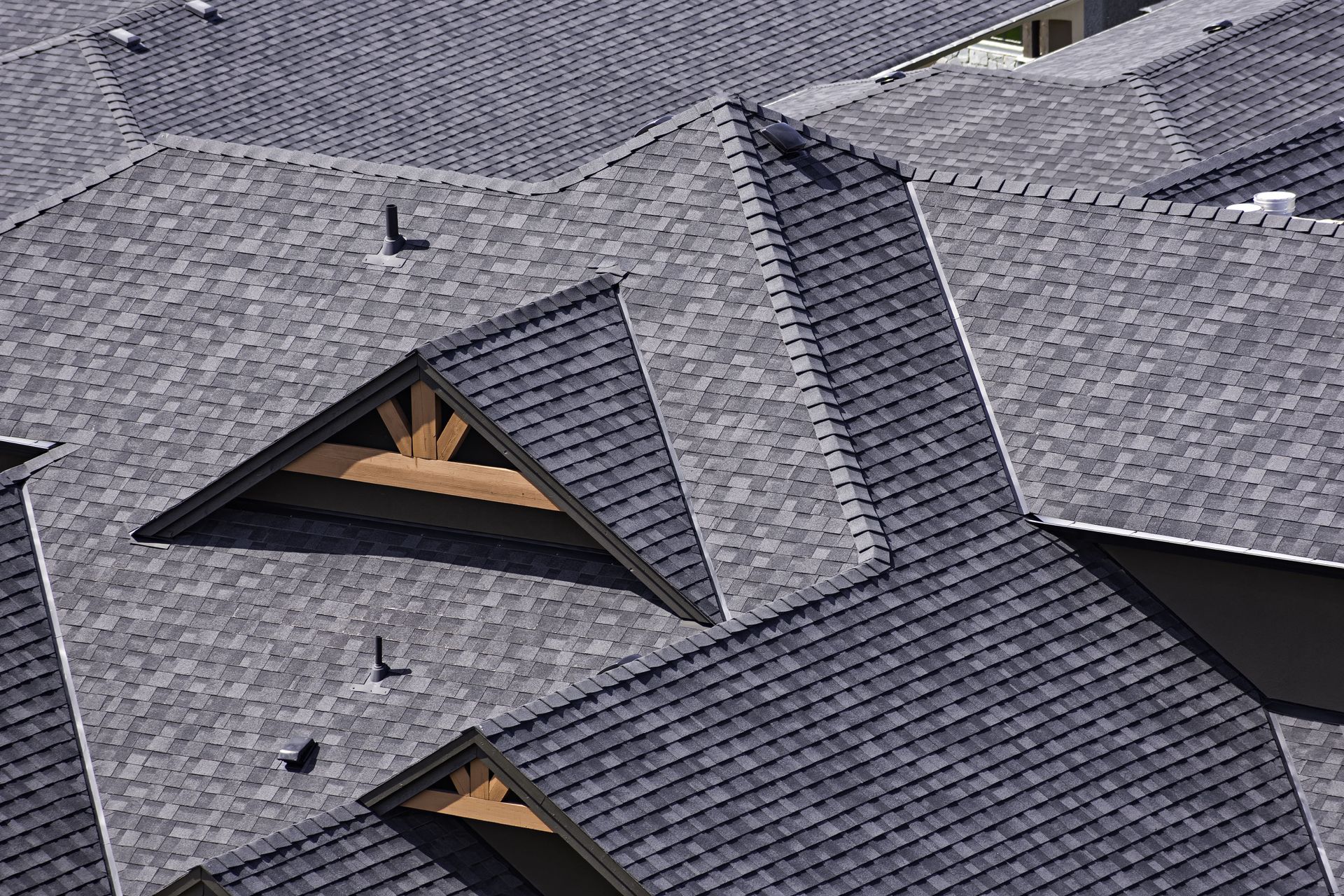
A single damaged shingle does not automatically mean you need a new roof. However, patterns of wear across multiple slopes deserve closer attention. Cracking, curling, missing shingles, exposed fasteners, and deteriorated flashing can leave parts of the roof more vulnerable to water intrusion. For asphalt shingles, excessive granules in gutters may also indicate wear, although some granule loss is normal.
Pay attention to where problems appear. Damage limited to one area after a falling branch may be repairable. Similar damage across several sections could suggest aging materials or a problem affecting the roof as a whole.
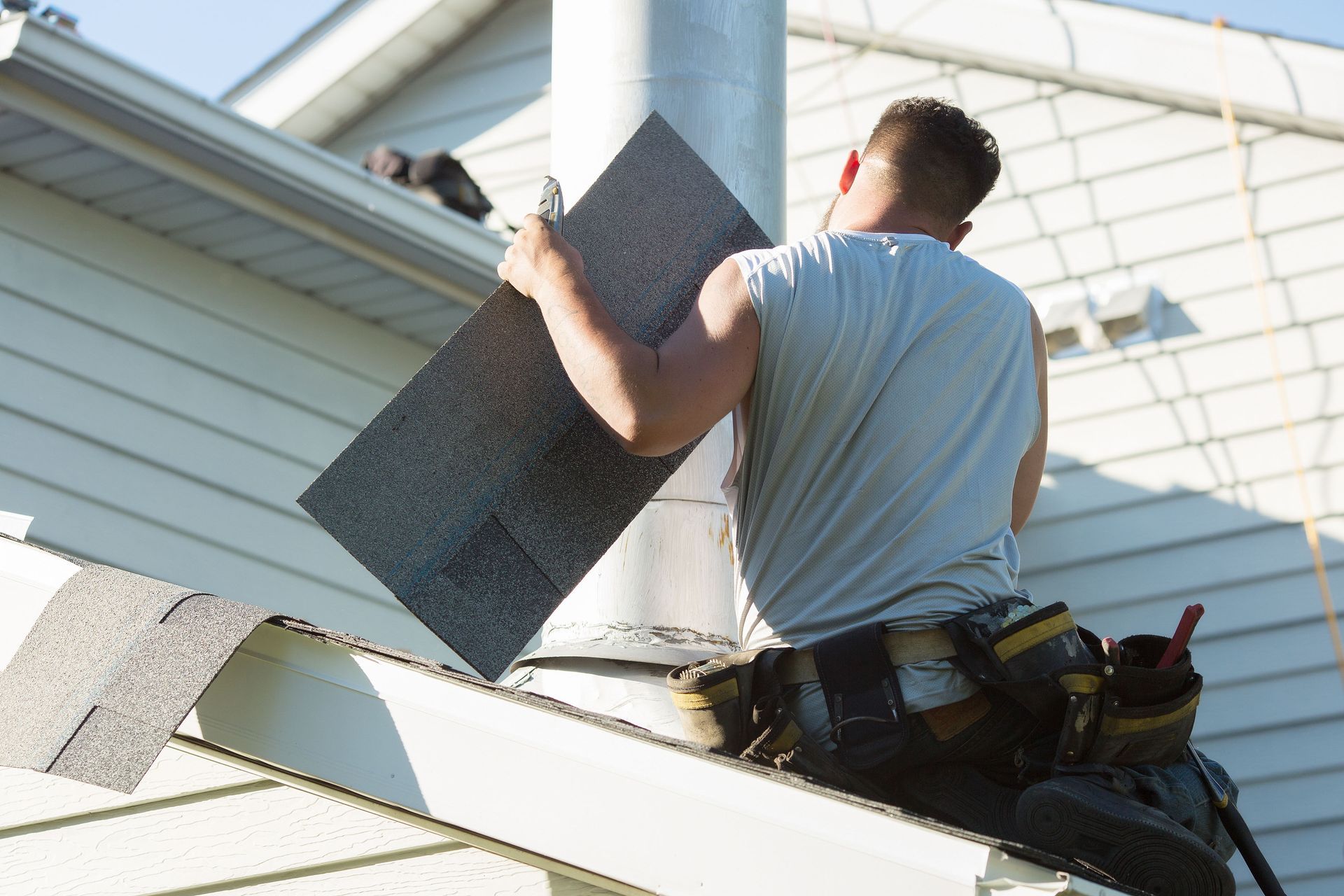
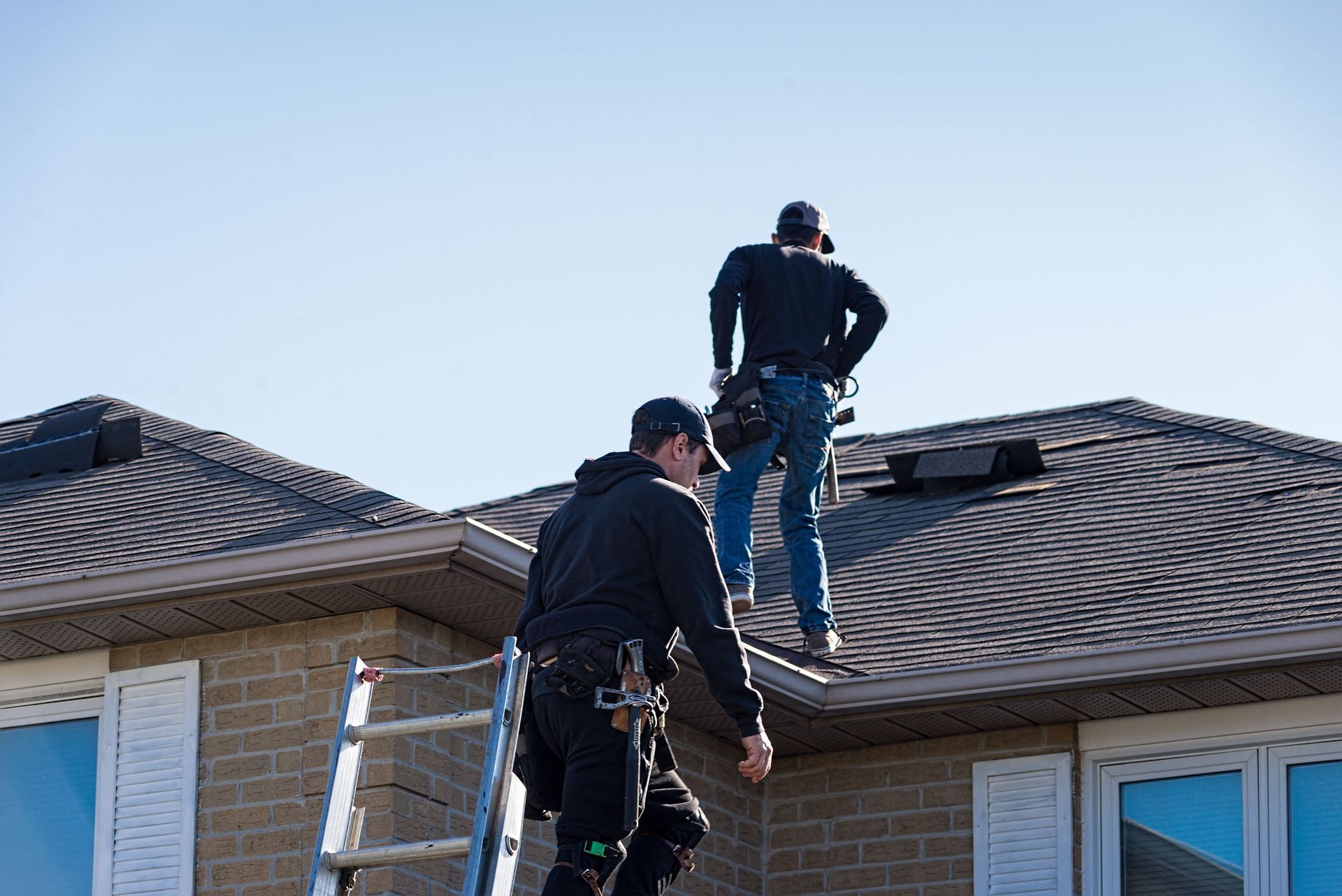
Many warning signs are visible from the ground or in professional photographs. A roofing contractor can check the extent of the damage and determine whether a focused repair is likely to hold up. Avoid walking on the roof yourself, especially if materials are wet, loose, or damaged.
Investigate Leaks Before They Become Larger Problems
Water stains on ceilings, peeling paint near exterior walls, or damp attic insulation may point to a roof leak. Still, moisture does not always originate directly above the visible stain. Water can travel along framing, and condensation or plumbing issues sometimes create similar symptoms. Finding the source matters more than simply covering the spot where water appears.
A small leak around a vent, chimney, or flashing joint may be resolved without replacing the entire roof. Repeated leaks in different locations are more concerning, particularly when repairs stop the problem only temporarily. Persistent moisture can damage insulation, sheathing, and interior finishes, adding work beyond the roof covering itself.
Document when leaks occur and what repairs have already been made. Sharing that history with a roofing contractor helps narrow the inspection and prevents the same symptoms from being treated repeatedly without addressing the underlying cause.
Compare Repair Costs With the Value of Replacement
Cost is often the deciding factor when a roof has experienced several problems. A relatively inexpensive repair may be worthwhile if the surrounding materials remain sound and the fix is expected to last. On an aging roof with multiple weak areas, however, paying for one repair after another can become less practical.
According to Today's Homeowner, if repair costs go beyond $3,000, replacing the roof may be the more practical decision. That figure is a useful point for discussion, not a universal cutoff. Roof size, materials, labor costs, and damage extent affect replacement value.
When comparing estimates, ask a roofing contractor for a written explanation of what each repair addresses and which weak spots would remain. A replacement proposal should specify removal, necessary decking work, ventilation changes, and cleanup when applicable. Consider the likely durability of each option, not just the initial bill.
Account for Storm Exposure and Ventilation Problems
Weather can shorten a roof's useful life, but not every storm requires a replacement. Wind may lift shingles, hail can damage certain roofing materials, and fallen debris can harm flashing or roof decking. After severe weather, check for visible changes from a safe location and arrange an inspection if you notice damage. If you plan to contact your insurer, review your policy and document conditions before authorizing work.
Conditions beneath the roof covering also matter. Poor attic ventilation, trapped moisture, and inadequate insulation can contribute to heat buildup or condensation, depending on the home's design and climate. A new roof covering will not automatically solve an existing ventilation or moisture problem.
Ask a roofing contractor to look at the entire roofing system, including ventilation, flashing, underlayment where accessible, and drainage. Correcting contributing issues during replacement may help protect the new materials and reduce the chance of familiar problems returning.
Plan Around Your Budget and Household Needs
Replacing a roof before it fails gives you more control over scheduling, estimates, and material choices. If your roof is showing broad deterioration but is not leaking severely, you may have time to compare proposals, understand financing arrangements if needed, and prepare for the project. Waiting until water reaches interior rooms can make the work more disruptive and may introduce additional repairs.
Think about how long you expect to live in the home and whether you are preparing to sell. A planned replacement might make sense when the current roof would otherwise require frequent attention. If it remains functional and problems are isolated, a careful repair may provide reasonable value while you plan ahead.
A roofing contractor can outline which concerns need prompt action and which can be monitored. Ask for a realistic timeline based on observed conditions rather than assuming every older roof needs immediate replacement.
Ask Clear Questions Before Making Your Decision
A useful inspection should leave you understanding what is wrong, why it happened, and what your options are. Request photographs of affected areas and a written explanation of proposed work. If replacement is recommended, ask whether the estimate includes tear-off, disposal, flashing, ventilation, permits where required, and protection of landscaping. Discuss how unexpected damage to decking would be handled and priced.
It also helps to ask about material warranties, workmanship coverage, payment terms, and the expected project schedule. Review the scope carefully so that comparing bids means comparing similar work. The lowest estimate is not necessarily the best value if important components or responsibilities are omitted.
A thoughtful
roofing contractor should explain repair and replacement options plainly, leaving you free to decide based on evidence rather than pressure. Seek another professional opinion if the proposed work seems inconsistent with the condition you have observed.
Choose the Right Time for Your Home
The right time to replace your roof depends on more than its installation date. Widespread deterioration, recurring leaks, serious storm damage, and rising repair costs can indicate that replacement deserves consideration, while isolated defects may still justify repair. An inspection that looks at both visible damage and underlying causes can clarify the decision.
If you are weighing another repair against a full replacement, WiseGuard Roofing LLC can help evaluate the condition of your roof and discuss practical next steps. Start with a thorough assessment so you can plan around the needs of your home rather than waiting for the next unexpected leak.