October 30, 2026
Wind damage can weaken a roof by lifting shingles, loosening flashing, and exposing underlying materials to moisture. Even when damage is not immediately visible, strong gusts can create vulnerabilities that worsen during subsequent storms. Working with a local roofing company after severe weather helps property owners identify problems and determine which repairs are necessary.
Sustained winds place continuous pressure on buildings, while sudden gusts can lift shingles and dislodge roofing materials. Properties in open fields, coastal areas, and elevated locations may experience greater wind exposure than buildings surrounded by protective structures. A local roofing company familiar with regional weather patterns can evaluate these conditions and recommend suitable roofing solutions.
Evaluating Roofing Materials and Designs
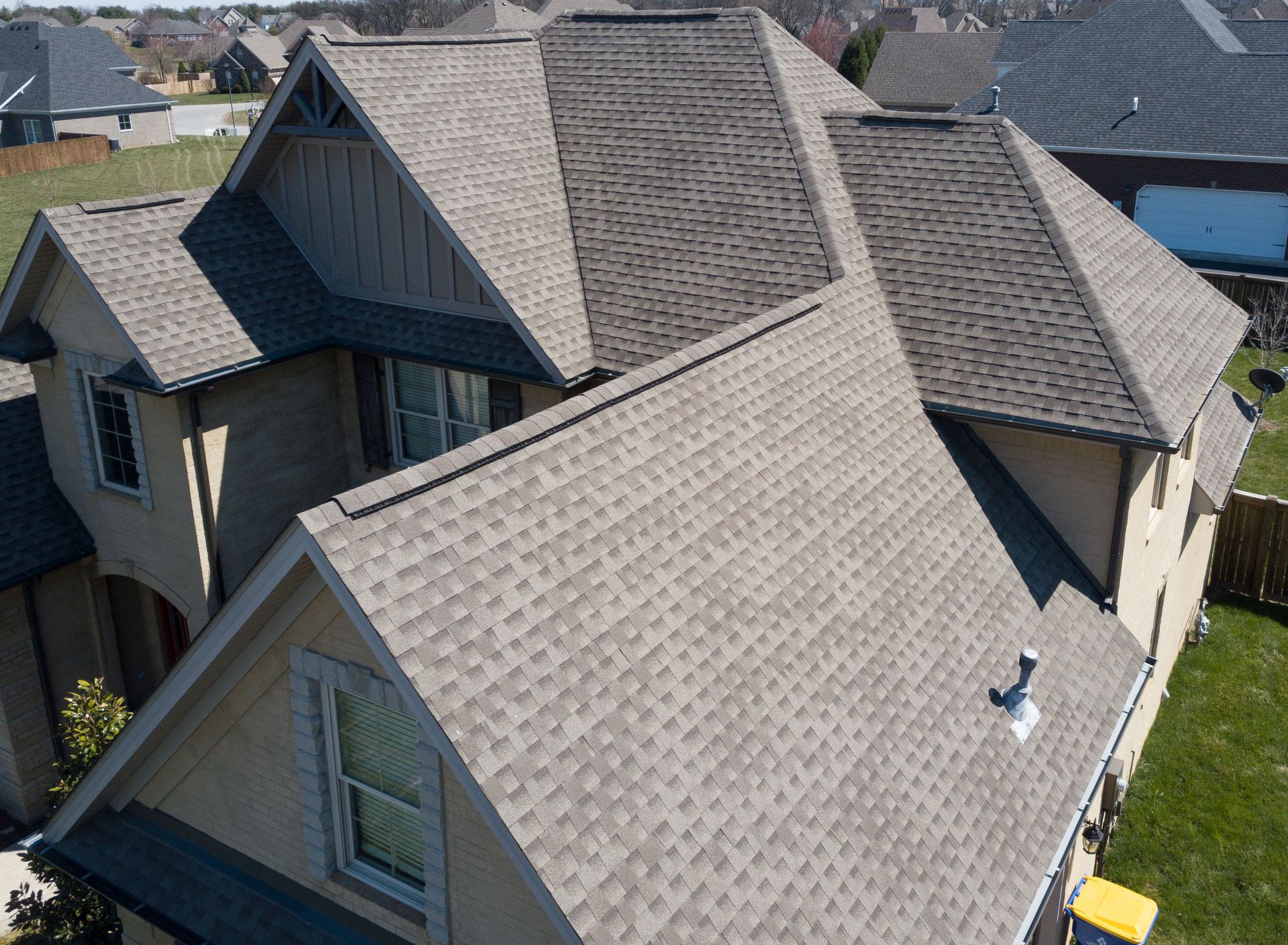
Roof shape influences how effectively a structure handles strong winds. Hip roofs generally redirect airflow more effectively than exposed gable roofs, while flat roofs may experience significant uplift around edges and seams. According to This Old House, steep-slope asphalt shingles are the most popular roofing material in the U.S., with 83% of roofing contractors listing it as their primary source of revenue.
Asphalt shingles remain a common choice, but their wind resistance depends on product ratings, installation quality, and proper fastening. Building codes establish requirements for roofing materials and construction methods based on regional weather conditions. Contractors can help property owners select suitable materials and determine whether existing roofing systems need improvements.
Recognizing Common Wind Damage
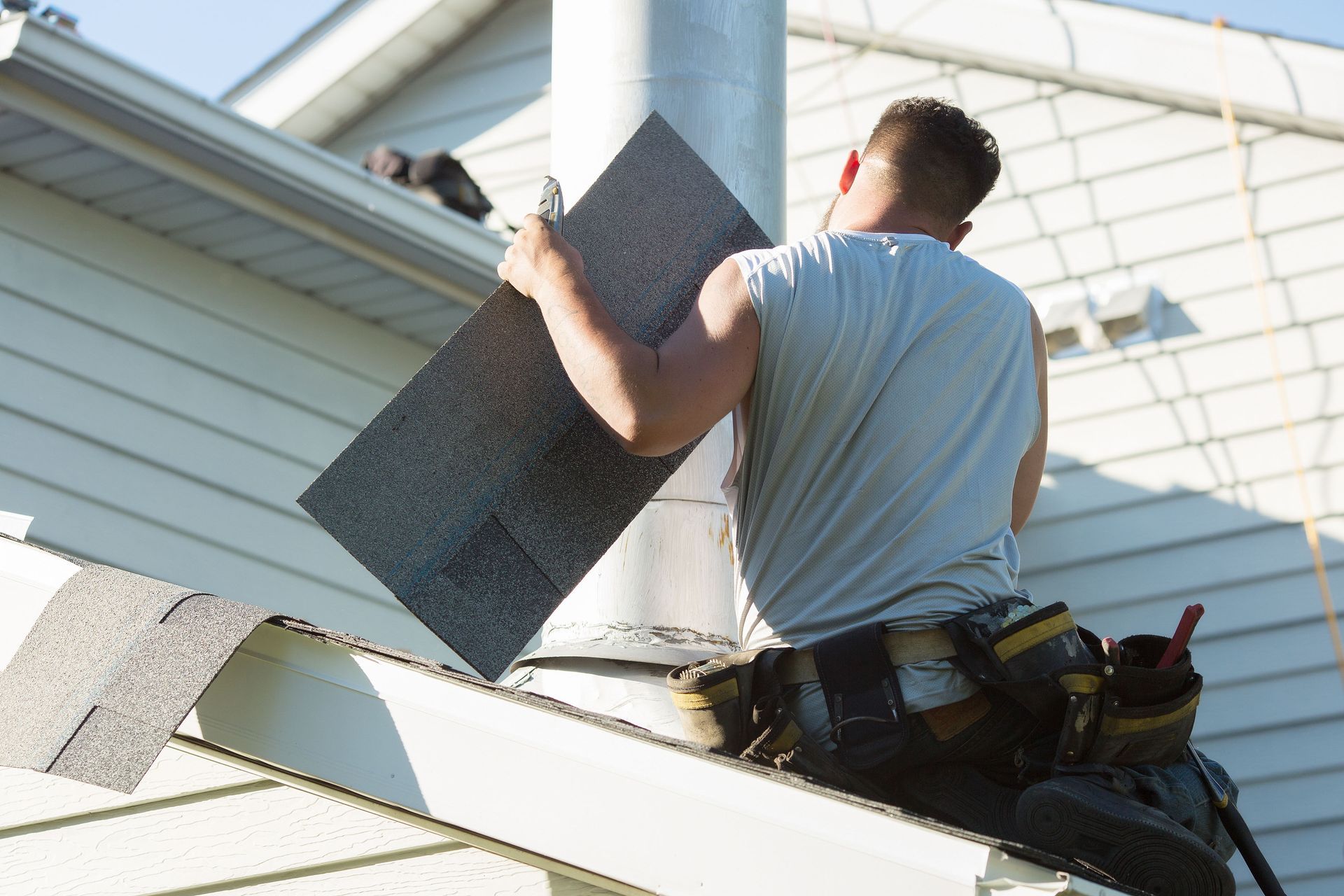
High winds can break the adhesive bond beneath shingles, lifting their edges or removing them entirely. Once shingles are displaced, underlying roofing layers become vulnerable to rain and further deterioration. Older materials and existing installation problems can increase the likelihood of damage during severe weather.
A local roofing company can inspect affected areas and determine whether individual shingles need replacement or more extensive repairs are necessary. Prompt attention helps prevent moisture from reaching the roof deck and interior spaces. Addressing these problems early may also reduce the likelihood of additional storm-related damage.
Underlayment provides an additional protective barrier beneath the primary roofing materials. When wind lifts shingles or removes sections of the roof covering, this layer may become damaged and allow moisture to penetrate. Prolonged exposure can lead to deterioration of the roof deck, which supports the entire roofing system.
Professional inspections help identify hidden damage before it develops into a more serious structural concern. Contractors can evaluate the condition of the underlayment and decking and recommend appropriate repairs. Restoring these components helps maintain the roof's stability and resistance to future weather events.
Identifying Shingle and Surface Deterioration
Protective granules shield asphalt shingles from ultraviolet radiation and environmental exposure. Strong winds, especially when accompanied by heavy rain or hail, can accelerate granule loss and contribute to premature wear. Granules accumulating in gutters, bald patches, and uneven coloration may indicate that shingles need professional evaluation.
When granule loss becomes extensive, replacement may be more effective than isolated repairs. A roofing professional can assess the condition of the shingles and determine whether the damage affects the roof's overall performance. Timely intervention helps preserve the roof's protective capabilities.
Flashing protects joints around chimneys, vents, skylights, and roof-to-wall intersections. High winds can loosen these components, creating openings that allow water to enter the building. Damaged gutters and downspouts can also interfere with drainage, increasing the risk of moisture problems around the roofline.
Professional repairs help restore secure flashing and proper water flow. Contractors can identify loose connections, damaged materials, and other weaknesses that may worsen during future storms. Keeping these components in good condition supports the roof's overall performance.
Identifying Roof Damage After Storms
Missing shingles, lifted edges, displaced flashing, and roofing debris are common indicators of wind damage. Property owners may also notice damaged gutters, loose roofing components, or branches that have struck the structure. These warning signs warrant professional evaluation, even when the roof appears to be functioning normally.
Interior symptoms can provide additional evidence of damage. Water stains on ceilings, damp insulation, peeling paint, and unexplained moisture may indicate that wind has compromised the roof. A local roofing company can investigate these symptoms and identify the source of potential water intrusion.
Investigating Hidden Roofing Problems
Not all wind damage is immediately visible from the ground. Shingles may have loosened without falling off, flashing may have shifted, and underlayment may have sustained damage beneath apparently intact materials. These problems can worsen during later storms if they remain unaddressed.
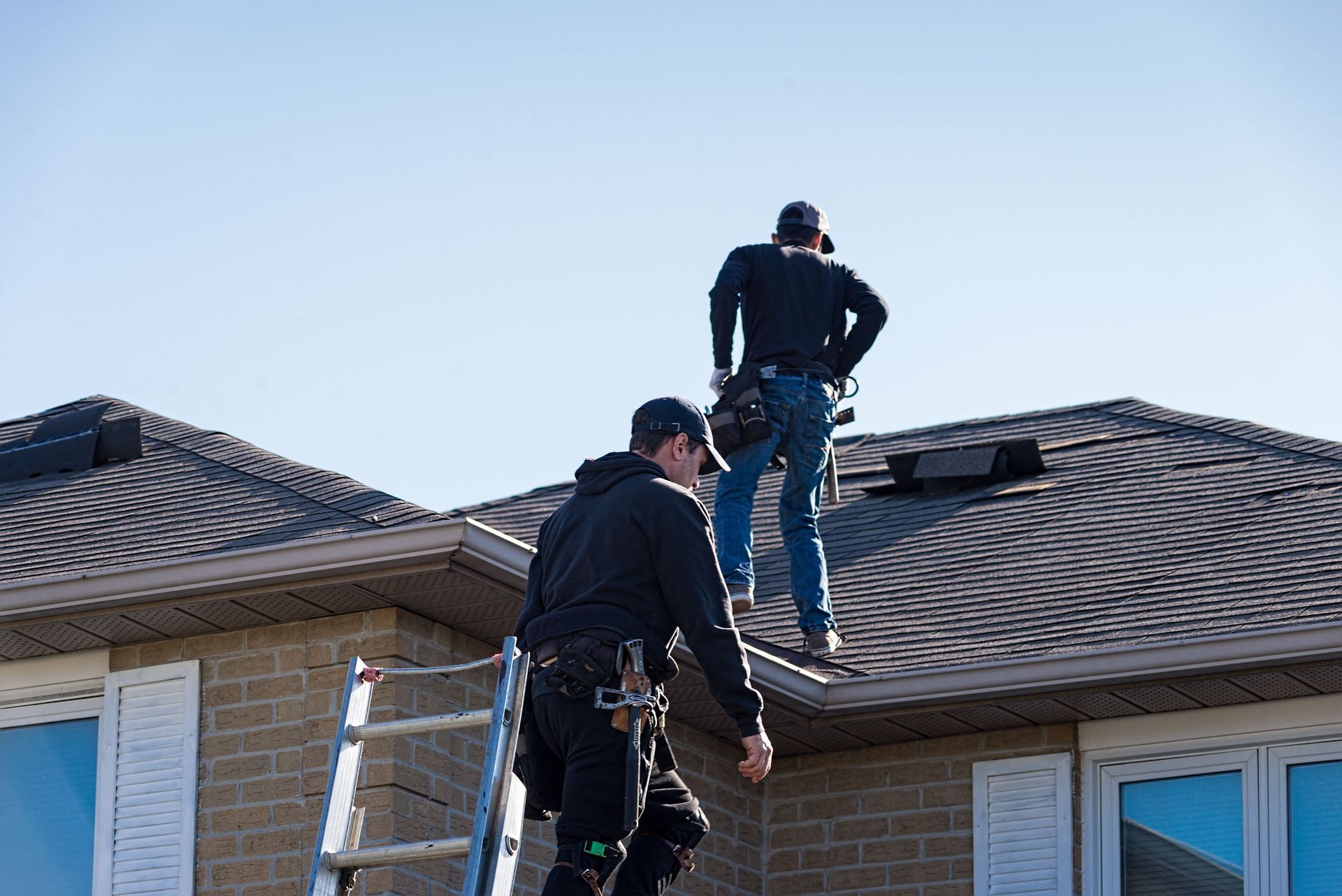
Professional inspections provide a more complete assessment of roofing conditions. Contractors can examine vulnerable areas and use appropriate technology to identify potential concerns. Their findings help property owners prioritize repairs according to the severity of the damage.
Using Technology to Assess Roof Conditions
Drone technology allows roofing professionals to examine difficult-to-reach areas without walking across potentially unstable surfaces. High-resolution images can reveal missing shingles, damaged flashing, and displaced materials. These records can also help document a roof's condition after a storm.
Thermal imaging may help identify temperature patterns associated with trapped moisture, although further evaluation is often necessary to confirm the cause. These tools support informed repair decisions and provide useful documentation for property owners and insurance representatives. A professional assessment remains important for determining the appropriate response.
Preventing Future Wind Damage
Routine inspections help identify aging materials, loose flashing, and deteriorating components that can make a roof more vulnerable to strong winds. Evaluating the roof before storm season can reveal problems that need attention before severe weather arrives. Inspections following significant storms are equally important because damage may not be immediately apparent.
A local roofing company can assess the roof's age, materials, installation quality, and exposure to regional weather conditions. Contractors can then recommend maintenance, targeted repairs, or replacement when necessary. Regular professional oversight helps property owners make informed decisions about roofing durability.
Selecting Wind-Resistant Roofing Materials
Choosing appropriate roofing materials can improve a building's ability to withstand local weather conditions. Property owners should consider wind ratings, durability, manufacturer requirements, and applicable building codes when evaluating their options. The best choice depends on the building's design, budget, and environmental exposure.
Installation quality is equally important because improperly fastened materials may fail prematurely. Professional installation helps ensure that roofing components meet manufacturer specifications and perform as intended. Combining suitable materials with proper installation improves the roof's long-term reliability.
Addressing Repairs and Insurance Claims
Delaying repairs can allow wind damage to spread into surrounding roofing components. A missing shingle may expose underlayment, while loose flashing can create a pathway for moisture. Addressing these problems early may prevent more extensive damage to decking, insulation, ceilings, and interior finishes.
Contractors can determine whether localized repairs or a more comprehensive solution is appropriate. They can also identify related concerns that may affect the durability of completed work. Prompt attention helps restore the roof's protective function and reduce the likelihood of recurring problems.
Wind damage may qualify for insurance coverage depending on the policy, exclusions, deductible, and circumstances of the loss. Property owners should review their coverage and document visible damage after a storm. Photographs, inspection reports, and repair estimates can help support discussions with their insurance provider.
A roofing contractor may provide an assessment and supporting documentation, but the insurer determines coverage under the policy. Maintaining records of previous inspections and repairs can also help establish the roof's maintenance history. Organized documentation makes it easier to communicate about damage and potential repairs.
Wind damage can affect shingles, underlayment, flashing, gutters, and structural components, sometimes without producing immediate interior leaks. Recognizing warning signs and arranging professional inspections can help limit deterioration and preserve the roof's service life. Choosing suitable materials and addressing storm damage promptly also improves long-term protection.
When severe weather affects your property, WiseGuard Roofing LLC can help assess your roof's condition and identify appropriate next steps. Contact WiseGuard Roofing LLC to discuss professional roofing inspections, wind damage assessments, and repair options designed to protect your property against future storms.