Deciding between roof repair and replacement? Reach out to WiseGuard Roofing LLC, a reliable roofing company, today for an expert roof evaluation!
Are you curious about how to protect your roof and maximize the lifespan of your shingles? Keep reading or contact your local roofing services to learn more.
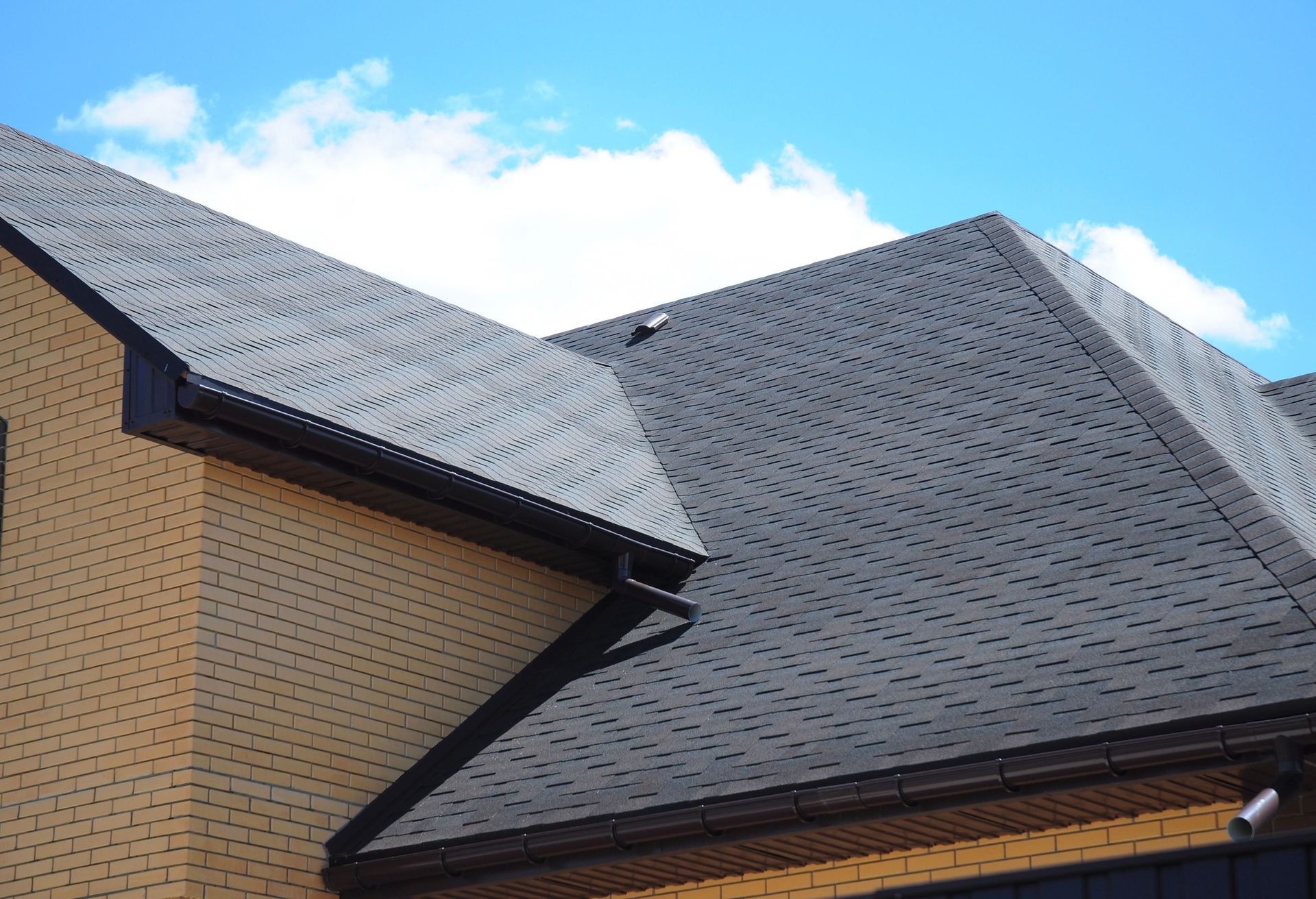
Your roof is one of the most important components of your home, protecting your property from harsh weather, moisture, and structural damage. However, even durable roofing materials require regular attention to maintain their performance. Preventive roofing services help homeowners identify potential problems, address minor damage, and avoid unnecessary expenses. At WiseGuard Roofing LLC, we understand the importance of maintaining a dependable roofing system. Knowing when to schedule maintenance, what influences roof longevity, and how professional inspections protect your investment can make a significant difference in your roof's overall condition. Understanding the Importance of Preventive Roof Maintenance Preventing Minor Problems From Becoming Major Repairs Small roofing problems can develop into expensive repairs when left unaddressed. Loose shingles, deteriorating flashing, and minor leaks may initially appear insignificant, but prolonged exposure to moisture can damage underlying materials. Professional roofing services help identify these concerns before they become serious. During an inspection, experienced roofers examine vulnerable areas and recommend appropriate repairs to preserve the roofing system's integrity. Extending the Lifespan of Roofing Materials Every roofing material has an expected service life, but actual longevity depends on environmental conditions, installation quality, and ongoing maintenance. According to ServiceTitan, most roofs last between 12 and 50 years. This broad range reflects differences in roofing materials and the conditions affecting their performance. Regular maintenance helps homeowners maximize their roof's potential lifespan by addressing deterioration before it spreads. Although preventive care cannot eliminate natural aging, it can reduce avoidable damage and delay premature replacement. Protecting the Home's Structural Integrity A roof does more than keep rain out. It protects insulation, ceilings, walls, and structural components from moisture exposure. When roofing materials deteriorate, water can penetrate vulnerable areas and cause hidden damage. Professional maintenance helps preserve these protective barriers while reducing the likelihood of costly structural repairs. Understanding the Factors That Affect Roof Maintenance Evaluating Climate and Weather Conditions Weather conditions significantly influence how frequently a roof requires professional attention. Heavy rainfall, strong winds, hail, and extreme temperatures can accelerate roofing material deterioration. Properties exposed to severe weather may benefit from more frequent inspections, particularly following major storms. Professional roofing services can identify wind damage, displaced shingles, and compromised flashing that might otherwise remain unnoticed. Homes in milder climates may require less frequent attention, although routine evaluations remain important. Evaluating Roofing Materials and Design Different roofing materials have unique maintenance requirements. Asphalt shingles can experience granule loss, cracking, and curling, while metal roofing systems may develop issues around fasteners, seams, and protective coatings. Roof design also affects maintenance needs. Complex structures featuring valleys, skylights, chimneys, and multiple slopes contain additional areas where moisture can accumulate. Our team at WiseGuard Roofing LLC recognizes that maintenance recommendations should reflect each property's specific roofing materials and structural characteristics. Evaluating Roof Age and Repair History As roofing systems age, their materials become increasingly vulnerable to deterioration. Older roofs may experience recurring leaks, weakened flashing, or damaged shingles that require closer attention. A roof's repair history also provides valuable information. Properties with repeated moisture problems or storm-related damage may need more frequent professional evaluations. Reviewing previous repairs allows roofing professionals to identify recurring concerns and recommend maintenance strategies suited to the roof's condition. Establishing an Effective Roof Maintenance Schedule Scheduling Seasonal Roof Inspections Spring and fall are commonly recommended periods for preventive roof inspections. These transitional seasons allow roofing professionals to evaluate damage from previous weather conditions and prepare the property for upcoming seasonal changes. Spring inspections may reveal problems caused by winter moisture, freezing temperatures, or strong winds. Fall inspections can identify damaged materials that should be addressed before colder weather arrives. Scheduling roofing services during these periods helps homeowners maintain consistent oversight of their roofing systems. Scheduling Inspections After Severe Weather Significant storms can damage roofing materials even when the roof appears intact from the ground. High winds may loosen shingles, while hail can compromise protective surfaces. After severe weather, a professional inspection can determine whether repairs are necessary. Identifying damage promptly may prevent moisture intrusion and additional deterioration. Homeowners should avoid climbing onto damaged roofs, as unstable surfaces and concealed structural weaknesses create serious safety hazards. Scheduling Maintenance Based on Roof Condition Not every property requires the same maintenance schedule. Roof age, material type, surrounding trees, previous repairs, and local weather patterns all influence inspection frequency. Rather than relying exclusively on a fixed schedule, homeowners benefit from recommendations based on professional assessments. At WiseGuard Roofing LLC, we believe individualized maintenance planning helps property owners address concerns efficiently while avoiding unnecessary work. Recognizing the Warning Signs of Roofing Damage Identifying Visible Shingle Deterioration Missing, cracked, curled, or discolored shingles can indicate that a roofing system needs attention. These problems may expose underlying materials to moisture and accelerate deterioration. Granules collecting near downspouts can also indicate asphalt shingle wear, although some granule loss is normal over time. Professional roofing services help determine whether visible deterioration requires isolated repairs or indicates broader roofing concerns. Identifying Interior Moisture Problems Water stains on ceilings, peeling paint, damp insulation, and unexplained attic moisture may indicate roofing problems. However, moisture symptoms can have several causes, including condensation, plumbing leaks, and ventilation deficiencies. A professional evaluation is necessary to identify the source accurately. Addressing these concerns early can limit damage to insulation, drywall, and structural components. Identifying Problems Around Roof Features Chimneys, skylights, vents, and roof valleys require particular attention because their connections create potential entry points for water. Deteriorated flashing, damaged sealants, and accumulated debris can interfere with proper drainage. These vulnerabilities may remain unnoticed until interior damage develops. Experienced roofing professionals can evaluate these areas and recommend appropriate corrective measures before problems worsen. Choosing Professional Roof Maintenance and Repair Reviewing Professional Experience and Qualifications Selecting a qualified roofing contractor is essential for dependable maintenance. Homeowners should consider relevant experience, applicable licensing requirements, insurance coverage, and familiarity with their roofing materials. Professional roofing services should include clear explanations of observed damage, recommended solutions, and anticipated project requirements. Working with knowledgeable professionals helps homeowners make informed decisions without attempting potentially dangerous repairs themselves. Reviewing Inspection Findings and Recommendations A thorough roof inspection should provide meaningful information about the roofing system's condition. Contractors may document damaged shingles, deteriorated flashing, drainage concerns, and other vulnerabilities through photographs or written findings. Clear documentation allows homeowners to understand which issues require immediate attention and which can be monitored during future inspections. Reviewing Repair Estimates and Maintenance Plans Detailed estimates help property owners understand the anticipated scope of maintenance or repair work. Important considerations include labor, materials, project timing, and potential additional expenses. A dependable contractor should explain whether localized repairs are appropriate or whether extensive deterioration makes replacement a more practical option. At WiseGuard Roofing LLC, we value clear communication and helping homeowners understand their roofing needs before making significant decisions. Understanding the Financial Benefits of Preventive Maintenance Reducing Unexpected Repair Expenses Preventive maintenance can help homeowners avoid substantial expenses by identifying damage before it spreads. For example, repairing compromised flashing may prevent water from reaching insulation and interior finishes. Addressing loose shingles can also reduce the likelihood of additional wind-related damage. Although roofing services involve an upfront investment, timely repairs may cost considerably less than correcting extensive deterioration. Preserving Property Value and Insurance Documentation A well-maintained roof contributes to a property's appearance, functionality, and overall marketability. Potential buyers often consider roof condition when evaluating future maintenance expenses. Documented inspections and completed repairs may provide reassurance about how the property has been maintained. Maintenance records can also support discussions with insurance providers following covered damage. However, routine maintenance does not automatically lower premiums or guarantee claim approval. Supporting Long-Term Roofing Performance Preventive maintenance is an investment in the continued performance of your home. Professional inspections, timely repairs, and material-specific care help reduce avoidable deterioration. At WiseGuard Roofing LLC, we encourage homeowners to prioritize consistent roof maintenance rather than waiting for significant damage to develop. Our goal is to help property owners make informed decisions that protect their homes and roofing investments. If your roof is showing signs of wear or is due for a professional inspection, contact WiseGuard Roofing LLC to discuss your roofing needs and learn how preventive maintenance can support lasting protection.

