November 5, 2026
A residential roof represents one of the most substantial structural investments a homeowner will ever make. According to Home Advisor, shingles last up to 30 years when properly maintained. Achieving that benchmark, however, requires far more than waiting for an active ceiling leak before taking corrective action. Shingles endure relentless environmental exposure year after year, absorbing the punishing effects of ultraviolet radiation, blistering summer heat, freezing winter temperatures, torrential rain, and high winds. Without proactive care, even premium asphalt shingles can deteriorate decades ahead of their expected expiration date. By establishing a rigorous upkeep routine, homeowners can protect their primary shelter, enhance curb appeal, and avoid premature roof replacement expenses.
Conducting Routine Inspections for Early Detection
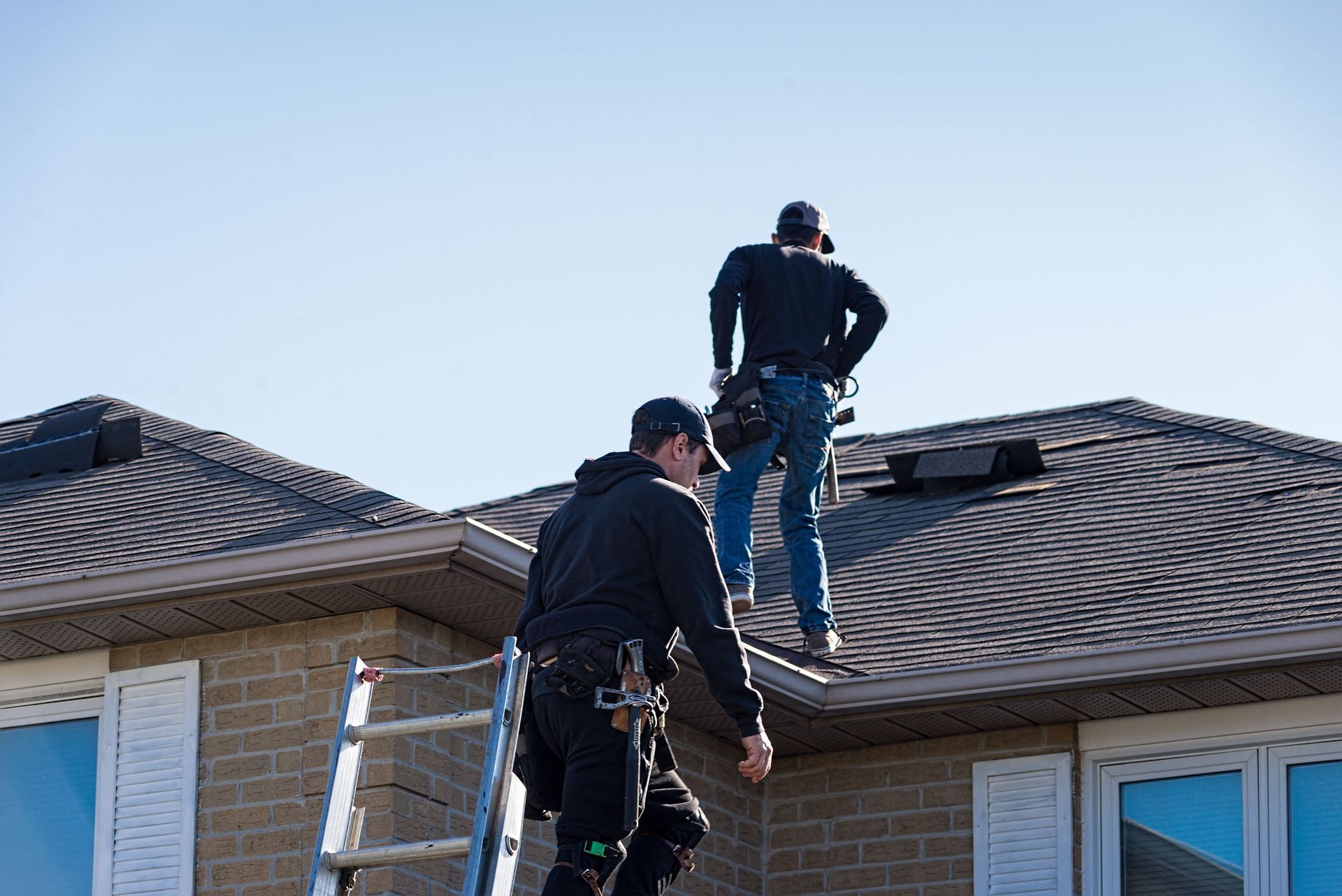
Regular roof assessments form the cornerstone of any effective shingle preservation strategy. Industry experts recommend conducting comprehensive roof evaluations at least twice a year, ideally during early spring and late autumn. The spring assessment identifies damage inflicted by winter freezing, heavy snow loads, or ice dams, while the autumn check prepares your home for dropping temperatures. Performing visual evaluations from ground level using binoculars is a safe initial approach for spotting shifted shingles. Keeping a detailed inspection log helps track changes in roof condition over time. However, subtle flaws often escape an untrained eye from afar, which is why scheduling seasonal reviews with local roofing services provides an invaluable layer of protection. Certified professionals walk the roof planes, inspect flashing joints, and evaluate high-risk transition areas that standard ground-level observations cannot capture.
Spotting Warning Signs for Prompt Intervention
Detecting minor structural wear before it develops into pervasive roof failure saves thousands of dollars in water remediation. During seasonal walkthroughs, look closely for cracked, curled, or buckling shingles. When the petroleum-based volatiles within asphalt evaporate over time, shingles lose their natural flexibility, causing outer edges to curl upward or cup inward. Another critical warning sign is granule loss. Mineral granules embedded on shingle surfaces defend asphalt from ultraviolet degradation; bald patches expose the underlying fiberglass matting directly to sunlight. Dark streaks across roof slopes may signal moisture retention or fungal expansion. When property owners spot localized bald spots or lifted tabs, turning to experienced local roofing services ensures that damaged sections are reinforced before rain penetrates the underlayment.
Cleaning Surface Debris with Safe Solutions
Organic matter represents a silent enemy to roof longevity. Fallen leaves, pine needles, and broken twigs collect within valleys and behind chimneys, creating dense debris piles that trap moisture against shingles. Over time, persistent moisture creates an optimal breeding ground for moss and algae. Unlike harmless stains, moss roots firmly into ceramic granules, lifting shingle edges and permitting wind-driven rain to siphon underneath shingle courses. Homeowners should never attempt to clean roofs with high-pressure power washers, as intense water streams strip protective granules instantly. Instead, gentle chemical treatments composed of biodegradable detergent solutions should be applied using low-pressure sprayers on an overcast day. If climbing onto the roof poses a hazard, contracting local roofing services guarantees that organic growth is eliminated safely without compromising manufacturer warranties.
Clearing Gutter Systems for Proper Drainage
Roof health and drainage performance are deeply intertwined. Rain gutters and downspouts serve as the primary channel directing water away from eaves and exterior foundations. When leaves and sediment clog these troughs, runoff backs up along the drip edge and pools against the lowest rows of shingles. Over prolonged periods, standing water wicks upward through capillary action, saturating fascia boards, soffits, and underlying decking. Rotting decking softens shingle fasteners, causing nails to back out and shingles to pull loose in wind events. Cleaning gutters thoroughly twice each year maintains swift water transit away from delicate roof edges. For homeowners dealing with heavily wooded lots, engaging reputable local roofing services to realign sloped gutters and clear downspout obstructions preserves eaves against chronic water infiltration.
Optimizing Attic Ventilation for Balanced Airflow
Shingle longevity is dictated as much by what happens underneath the roof deck as what occurs above it. A balanced attic ventilation system consists of intake vents beneath the soffits and exhaust vents along the roof ridges. During hot summer months, unventilated attics can easily surpass 150 degrees Fahrenheit. This intense heat effectively bakes asphalt shingles from the underside, accelerating granule detachment and causing shingles to blister and crack prematurely. In winter, inadequate airflow allows humid indoor heat to rise into the attic, where it condenses against cool plywood sheathing. This trapped moisture produces mold and promotes destructive ice dams along eaves. Homeowners uncertain about airflow balance should consult local roofing services to calculate net free ventilating area and install supplementary vents where appropriate.
Completing Prompt Repairs for Minor Defects
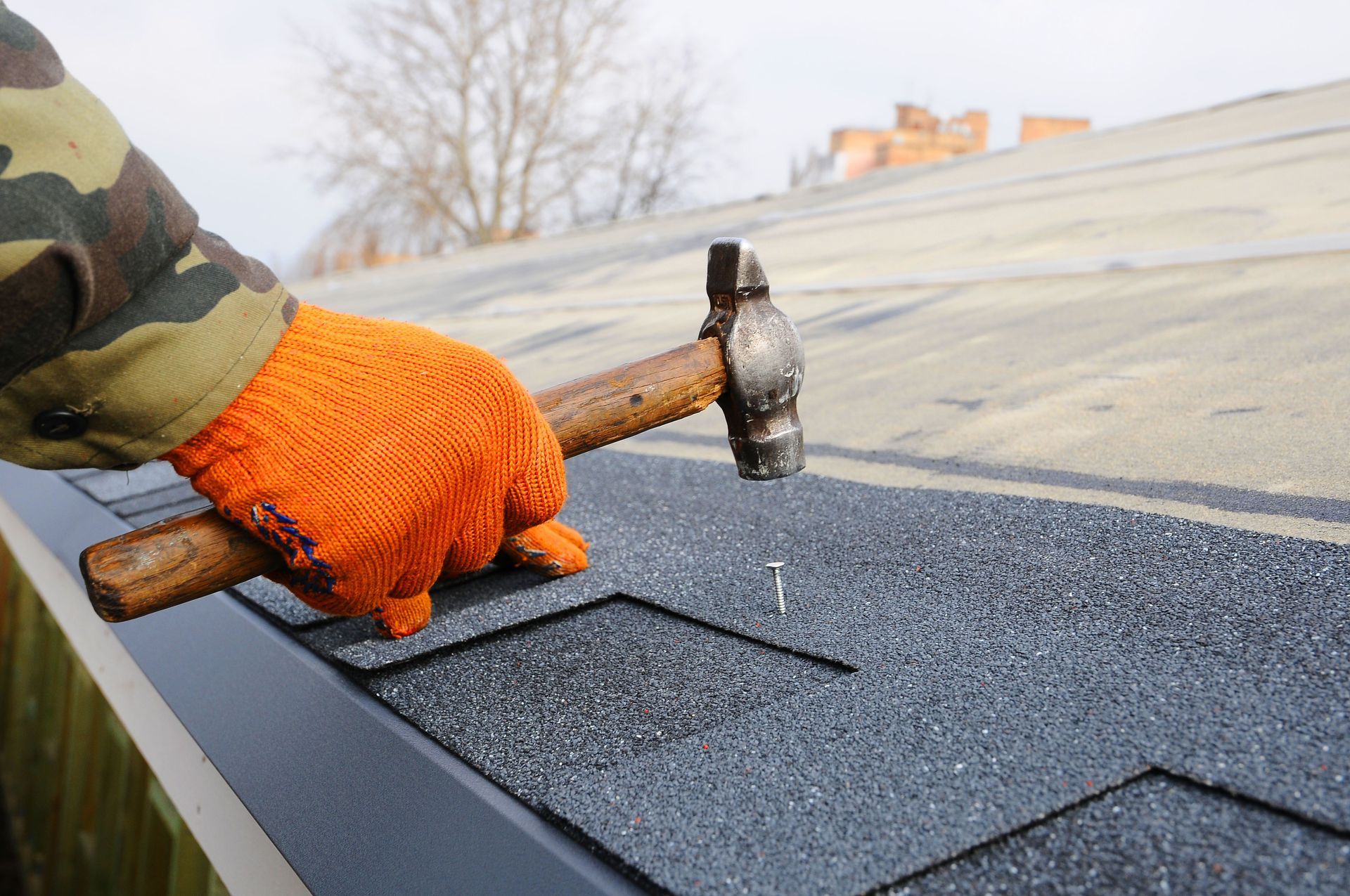
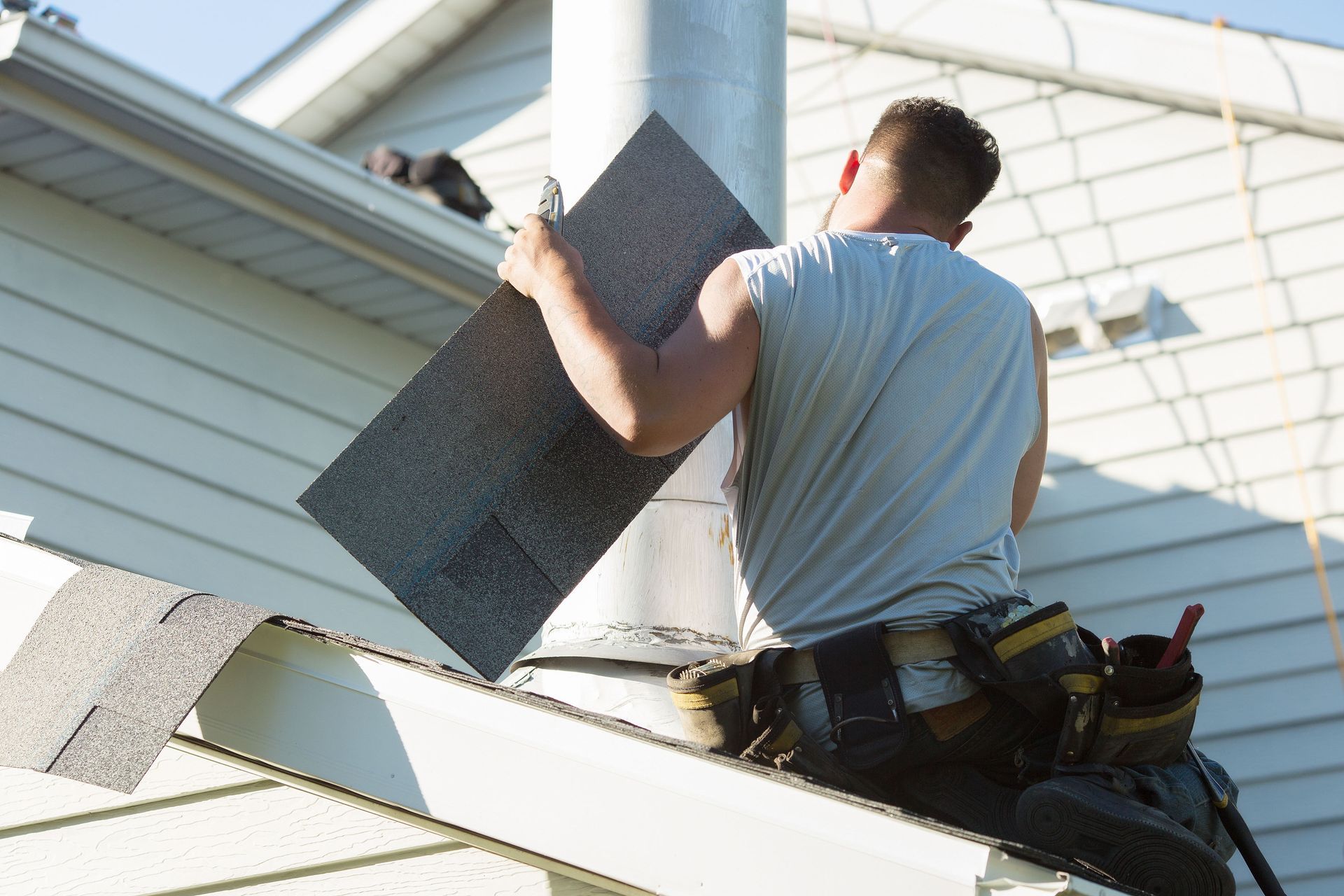
A single damaged or dislodged shingle creates an immediate breach in your home's exterior envelope. Strong wind gusts lift loosened tabs, breaking manufacturer sealant strips and exposing nail lines underneath to precipitation. While emergency temporary patches—such as applying plastic sheeting or silicone sealants—stave off catastrophic indoor leaks during a storm, they never serve as permanent remedies. Defective shingles must be individually pried up, their fasteners safely pulled, and exact replacement shingles installed and re-nailed without puncturing surrounding shingles. Because mismatched installation techniques can void remaining warranty protections, seeking prompt repairs from qualified roofing professionals guarantees that replacements blend seamlessly and restore proper wind resistance.
Choosing Quality Materials for Regional Climates
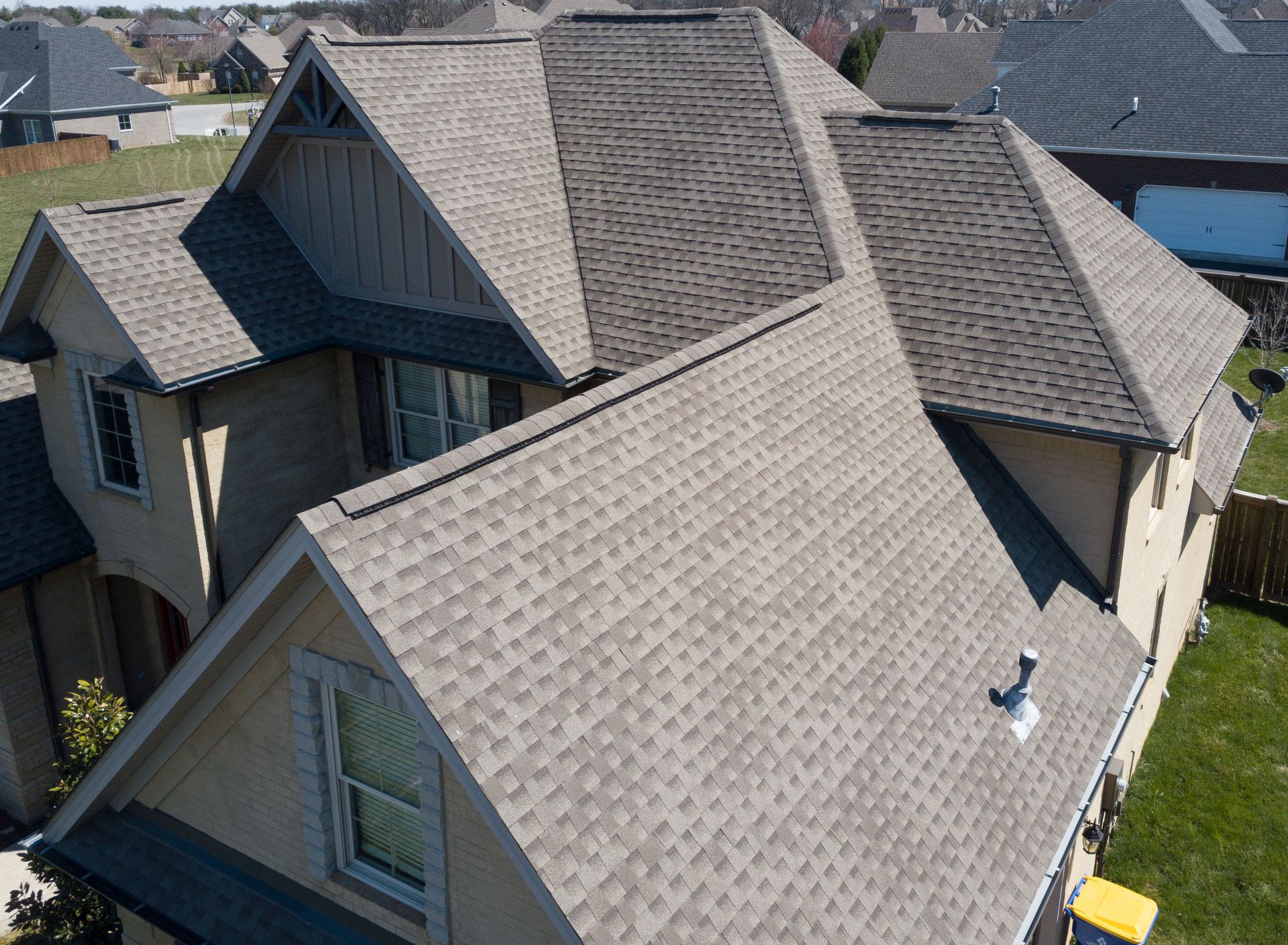
The lifespan of your roof is deeply influenced by the original quality of the roofing products chosen during installation. While standard three-tab shingles offer an economical entry point, heavier architectural shingles provide significantly thicker construction and superior wind resistance up to 130 miles per hour. Homeowners residing in regions prone to sudden temperature fluctuations or severe hailstorms should invest in shingles carrying Class 4 impact resistance ratings. Furthermore, shingles formulated with copper-infused granules naturally deter algae discoloration in humid environments. Because product specifications must align with geographic weather profiles, vetting your options with local roofing services helps you select materials engineered specifically to withstand regional climate extremes.
Shielding Vulnerable Areas Against Severe Weather
Severe weather represents the ultimate stress test for any roofing installation. In cold winter regions, heavy snowfall combined with poorly insulated attics creates ice dams that force meltwater beneath shingle courses. Installing robust ice and water protector membranes along roof valleys, eaves, and penetrations creates a waterproof barrier against winter ponding. In hot, arid regions, intense sun exposure depletes the petroleum oils that give asphalt shingles flexibility. Applying elastomeric coatings or UV-reflective sealants can dramatically mitigate solar heat absorption and minimize thermal expansion cycles. When preparing a home for severe meteorological threats, working with skilled local roofing services ensures that protective barriers, metal flashings, and storm-resistant sealants are installed to exact building codes.
Sustaining Proactive Habits for Long-Term Value
Preserving your shingles over decades does not require complex interventions, but it demands consistent attention and disciplined care. By prioritizing biannual inspections, clearing organic debris, maintaining continuous attic airflow, addressing storm damage rapidly, and selecting resilient materials, homeowners can easily reach or exceed the maximum service life of their roof. Proactive roof stewardship safeguards your home against expensive interior structural repairs, boosts energy efficiency, and keeps your property looking its best. Whenever you encounter persistent leaks, complex flashing wear, or aging materials, partnering with experienced local roofing services ensures your roof remains dependable through every season. To protect your home with industry-leading craftsmanship and comprehensive care, contact WiseGuard Roofing LLC today to schedule your professional roof evaluation.